The Almost Accessible Series
The Cost of Almost Accessible
I’ve been paying attention to something for a long time now. It fits inside my larger mantra of “seeing the unseen,” but this one has a sharper edge. It has to do with systems that are almost accessible.
What I’ve noticed is that exclusion rarely arrives dramatically. It doesn’t shout. It doesn’t declare itself as bias or hostility. More often, it arrives wrapped in good intentions and polite language. A website technically passes inspection but can’t be navigated without a mouse. A hotel lists accessible rooms, but confirming what that actually means requires a phone call — or three — and a bit of luck. A stage meets the letter of the ADA, but the only way onto it is by stairs. A safety hazard is pointed out, acknowledged, and then quietly left in place. No one refuses outright, and yet participation narrows.
I’ve sat at the bottom of a staircase leading to a stage I’d been invited to speak on, doing the quiet math in my head about optics and authority, about what it means to present from the floor while everyone else stands elevated. No one was unkind. The room was set up the way it was requested. The hotel delivered what the planners approved. The building met code. On paper, nothing was wrong. And yet somewhere between request and execution, the outcome quietly decided where I belonged.
That’s the pattern that keeps surfacing. Across digital platforms, conferences, hotels, restaurants, neighborhood rules — it isn’t cruelty that I keep running into. It’s design logic. Decisions get made about efficiency, aesthetics, workflow, budget, compliance. Accessibility is considered, but often after the structure is already set. It gets fitted in, adjusted around, negotiated into whatever space remains. And the order of those decisions matters more than most people realize.
When accessibility is added after architecture is set, exclusion becomes structural. When compliance language replaces usability, the law quietly shifts from a floor to a ceiling. When extra labor is shifted onto disabled people — the extra call, the extra explanation, the extra workaround — access becomes something you negotiate rather than something you can rely on.
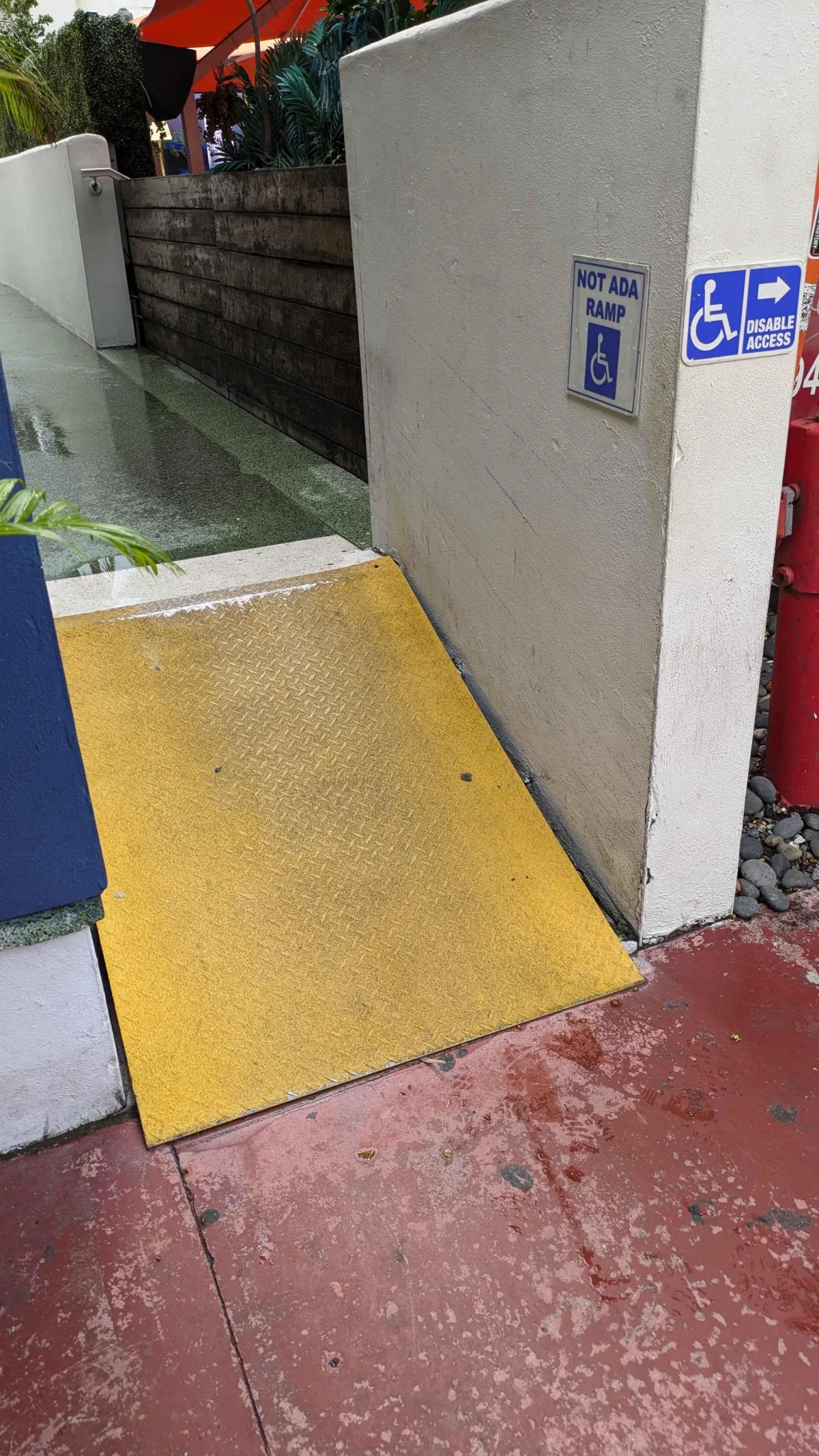
Individually, these moments can be explained. The website technically works. The room technically exists. The ramp technically meets slope requirements. The manager nodded. The apology was sincere. None of those statements are false. Taken together, though, they begin to sketch a pattern.
Almost accessible systems don’t need to refuse participation outright. They only need to make access unreliable enough that participation becomes exhausting. Over time, people start doing the calculus in advance. Is this worth the energy? Will I have to advocate again? Will I be the only one noticing the gap? Some continue. Some quietly step back. That quiet attrition rarely shows up in analytics, but it absolutely shapes who remains in the room.
This series isn’t an audit, and it isn’t a collection of isolated complaints. It’s an attempt to name a pattern that many disabled people recognize immediately, even if they haven’t always had language for it. I’m not interested in villainizing individuals. Most of the systems I write about are run by people who would describe themselves, accurately, as reasonable and well-intentioned. That’s part of why this persists. Exclusion embedded in workflow and sequencing is harder to see than exclusion announced out loud.
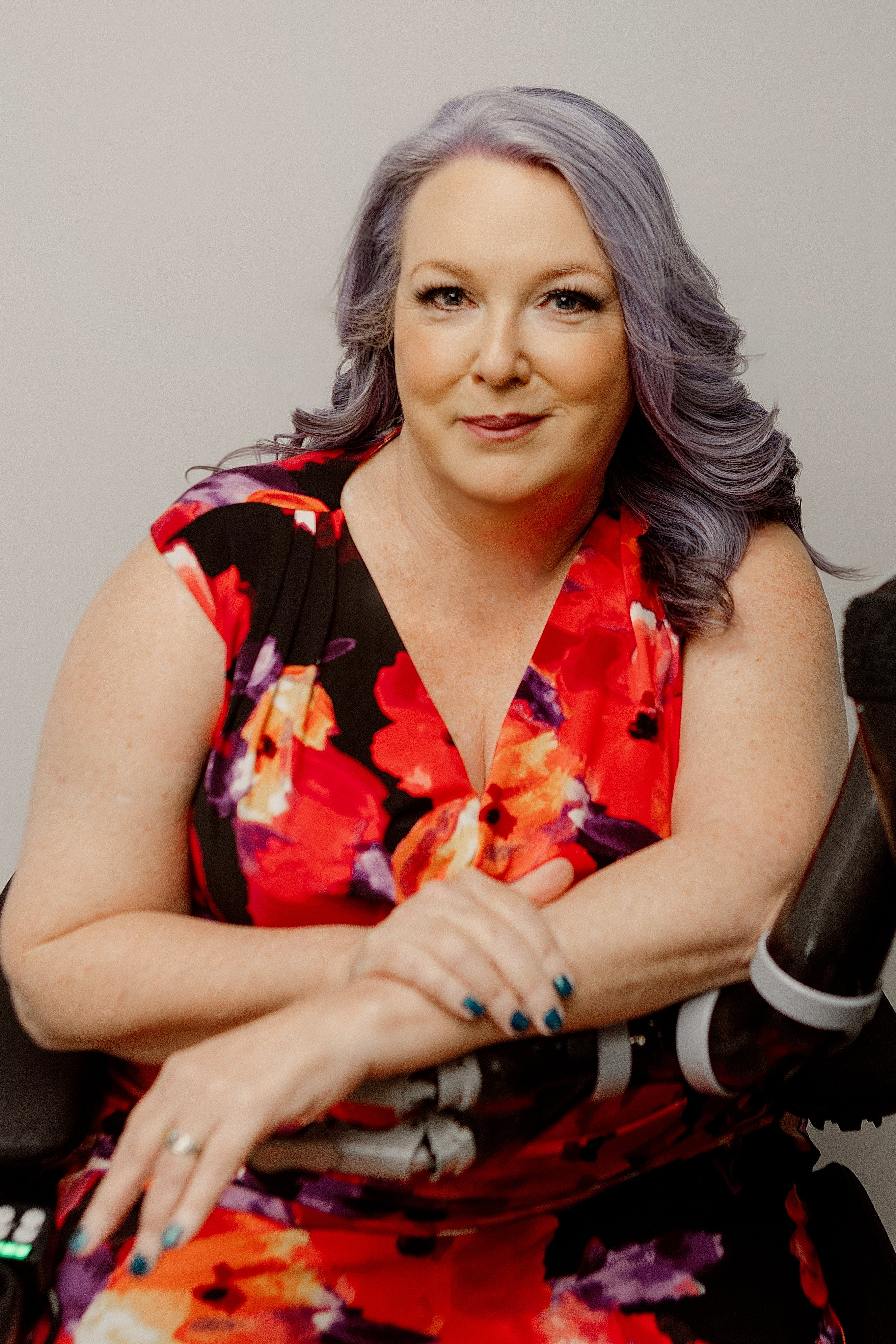
I bring a systems lens to this because I trained that way. I’m an engineer. I’ve evaluated architecture for ADA compliance and usability. I’ve also spent more than three decades living inside a progressive muscle-wasting disease, navigating spaces that technically work and practically don’t. Those perspectives aren’t separate; they inform each other. I see the blueprint and the lived consequence at the same time.
Exclusion doesn’t have to be dramatic to be effective. It only has to be consistent. When the same barriers repeat across platforms, buildings, and institutions, people adjust their expectations. They learn where the friction will be. They decide how much energy they are willing to spend.
If you are disabled, you may recognize yourself in these challenges immediately.
If you design, build, or manage systems, you may recognize decisions you’ve seen — or made.
If you’ve never thought about accessibility this way, that’s okay. That’s part of why this conversation matters.
Almost accessible systems don’t announce themselves. They simply function the way they were built to function. What I’m asking in this series is that we slow down long enough to notice the pattern, to look beneath the surface language, and to ask not only whether something meets code, but whether it actually works — reliably, without negotiation — for the people it claims to include.