When Access Exists Only in Theory
Series: Almost Accessible
This piece is part of the ongoing Almost Accessible series, where I name the quiet ways systems filter people out — not because anyone stood at the door and said “no,” but because the structure was built with someone else in mind. You can read more about the series on this page.
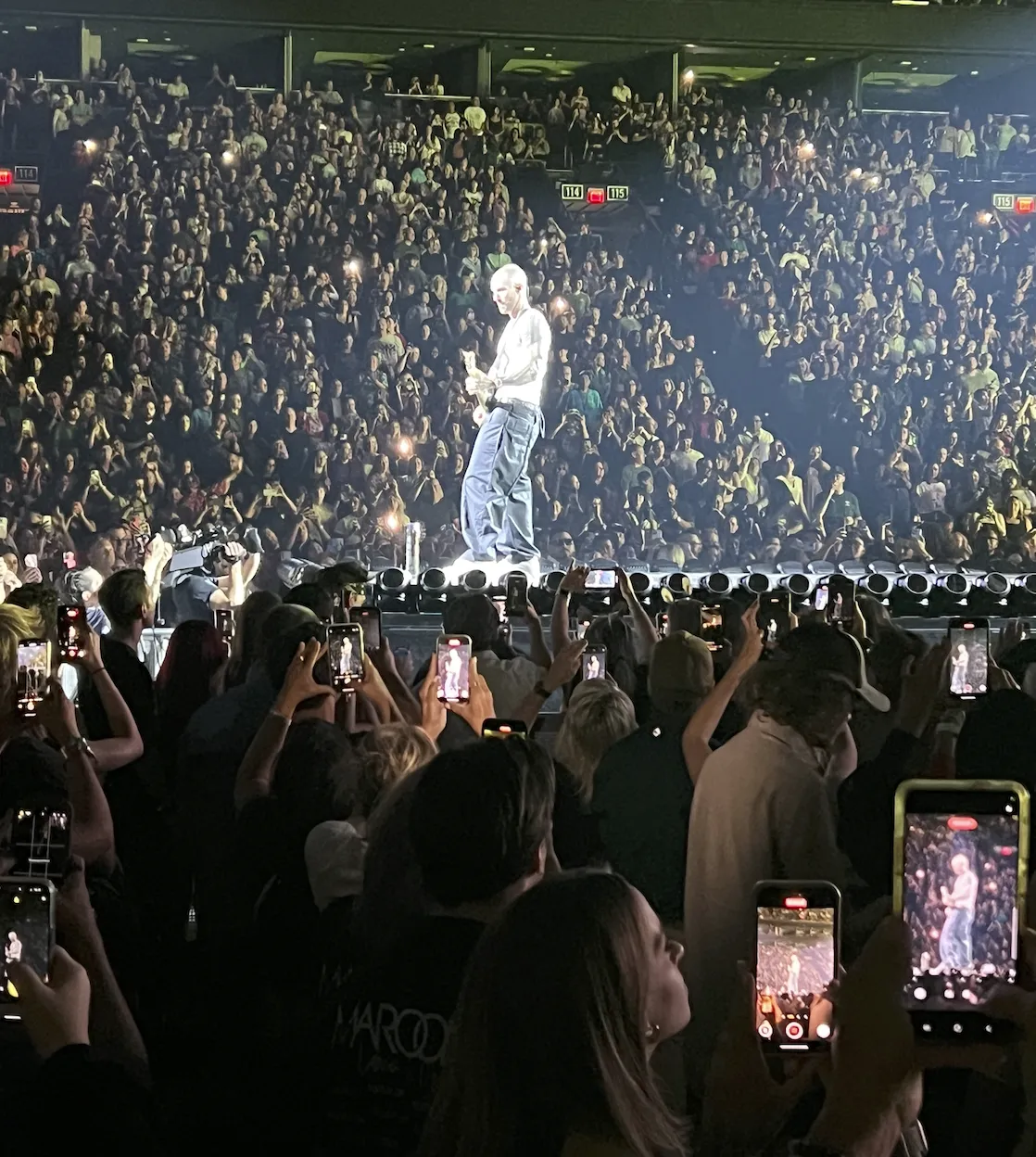
My friend and her niece flew from Phoenix to Dallas for a K-pop concert. This wasn’t a casual night out. It was flights, a hotel, restaurant reservations, outfits chosen weeks in advance. Her niece is in her twenties and had loved this band for years, and she wanted to share that joy with her aunt who has profound hearing impairments in a way that felt equal — shoulder-to-shoulder in a crowd.
So her niece did what the system tells you to do. She contacted the venue ahead of time. She requested an ASL interpreter. She confirmed the accommodation. She trusted that when a venue says it provides interpreters, someone behind the scenes understands what that actually requires.
For my friend, and others who rely on a cochlear implant and lip-reading, live music is complicated. Lyrics blur. Spoken transitions dissolve into noise. An interpreter isn’t decorative — they carry the narrative of the performance in real time. They make meaning possible.
The venue approved the request. The policy existed. The accommodation was documented. On paper, everything was in place — but there was one “tiny” hitch.
Somewhere between the request form and the performance, no one at the venue paused long enough to connect the obvious fact that the band would be singing in Korean. It was a K-pop concert. The venue had arranged for an ASL interpreter without ensuring that the interpreter could interpret the language being performed and then perform it in ASL. The accommodation moved through the administrative system just fine — reality did not.
So my friend stood in a packed arena, thousands of miles from home, next to her niece who speaks Korean fluently and had worked so carefully to make the evening accessible, and she watched a show she could not meaningfully understand.
No one refused her. No one denied the request. If you reviewed the process afterward, you would see evidence of inclusion. The venue has an accessibility policy. Requests are accepted. Procedures are in place. From the outside, it looks responsible.
But access isn’t proven in policy. It’s proven in the moment it’s needed.
When you’re asked to request accommodations in advance, to disclose your needs, and to trust the infrastructure behind the scenes, there’s an implicit promise that someone has thought it through. When that promise fails after flights have been booked and hotels paid for and anticipation carefully built, the damage isn’t just disappointment. It’s a subtle erosion of trust.
The next invitation carries a question mark. The next confirmation email doesn’t quite settle the nerves. Not because anyone wants to be skeptical, but because experience has taught them that approval is not the same thing as preparation.
Policy can say the right words. It can outline the process. It can log the request and send the confirmation.
But none of that translates a song.
Almost accessible doesn’t look broken. It just works exactly as intended, and that’s the problem.